




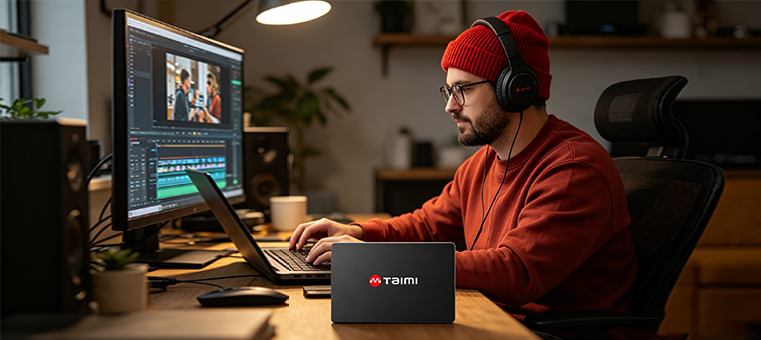



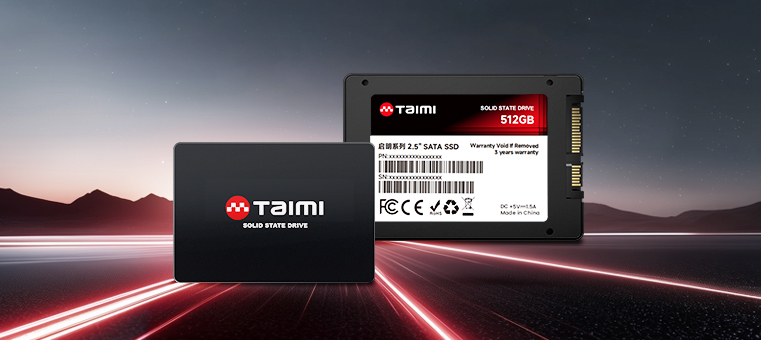

This is where OEM and ODM manufacturing come into the picture. Both models allow businesses to work with an SSD manufacturer rather than build their own production facilities, but they involve different levels of product development, customization, and project responsibility.
Quick Answer: OEM vs. ODM
OEM (Original Equipment Manufacturer) is generally suitable when a buyer has defined product requirements and wants a manufacturer to produce products according to agreed specifications, with branding or other customization where supported.
ODM (Original Design Manufacturer) generally refers to a manufacturer that provides an existing product design or develops a product design for a buyer, who may then sell it under their own brand.
If you already know the SSD specifications you need, OEM may be the more straightforward option. If you need a product based on a manufacturer's existing design or development capabilities, an ODM arrangement may be worth exploring.
1. What Is SSD OEM Manufacturing?
SSD OEM manufacturing is a cooperation model in which the buyer defines the product requirements and works with a manufacturer to produce SSDs according to the agreed specifications.
For example, a PC hardware brand may already know which SSD form factor, capacity, interface, and performance range it wants to offer. Instead of setting up its own production operation, the brand works with an SSD manufacturer to confirm the product configuration, evaluate samples, arrange production, and apply its branding.
The exact scope of customization depends on the manufacturer's available products, components, production capabilities, and project requirements. OEM does not automatically mean that every component or technical specification can be changed freely.
Common OEM customization areas
- Product type and form factor: Such as 2.5-inch SATA SSDs, M.2 NVMe SSDs, or other supported storage formats.
- Storage capacity: Selecting capacities that match the intended market and application.
- Performance requirements: Confirming read/write performance and other relevant specifications for the selected product platform.
- Branding: Applying the buyer's logo, product label, or other agreed brand elements.
- Packaging: Using agreed retail or bulk packaging configurations.
- Compatibility and validation: Evaluating samples against the buyer's target systems and application requirements.
OEM is often a practical choice for businesses that have a clear product plan but do not want to operate their own SSD manufacturing facilities.
2. What Is SSD ODM Manufacturing?
ODM stands for Original Design Manufacturer. In an ODM arrangement, the manufacturer provides an existing product design or takes responsibility for developing a product based on the buyer's requirements. The buyer may then market the finished product under its own brand.
For SSD projects, an ODM manufacturer may offer an established product platform, including its design, component configuration, and manufacturing process. Depending on the manufacturer's capabilities and the agreement, the buyer may be able to select from available configurations or request certain changes.
However, the term ODM is not a guarantee that a supplier can independently design every part of an SSD. Buyers should clarify exactly which design and engineering responsibilities the manufacturer can take on.
What an ODM arrangement may include
- An existing SSD product design or platform.
- Available hardware and component configurations.
- Product adjustments within the manufacturer's technical capabilities.
- Branding and packaging for the buyer's market.
- Sample evaluation and product validation before mass production.
For a business entering the storage market without an established product specification, an ODM arrangement may reduce the amount of product definition work it needs to handle internally. The actual level of support still depends on the supplier and the project agreement.
3. SSD OEM vs. ODM: Key Differences
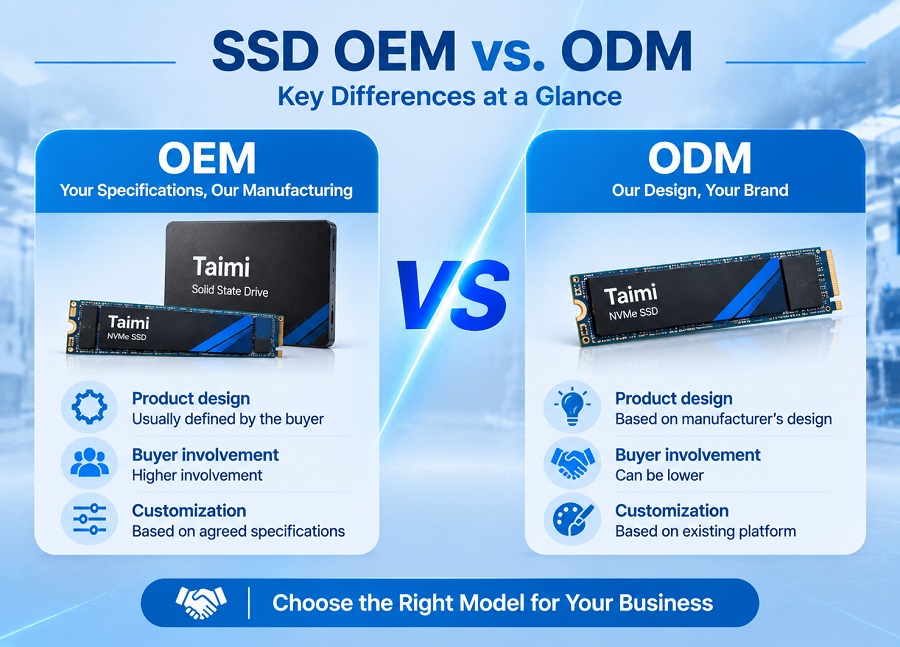
The main difference is how product design and specification decisions are handled. In OEM projects, the buyer generally has a more defined product specification. In ODM projects, the manufacturer typically contributes more of the product design or provides an existing design for the buyer to use.
| Comparison | SSD OEM | SSD ODM |
|---|---|---|
| Product design | Usually defined or specified by the buyer. | Usually based on the manufacturer's existing design or development work. |
| Buyer involvement | Higher involvement in product requirements and specifications. | Can be lower when using an existing manufacturer design. |
| Customization | Based on agreed specifications and available manufacturing capabilities. | Based on the manufacturer's design platform and supported changes. |
| Engineering responsibility | More product definition may come from the buyer. | The manufacturer may take on more design responsibility. |
| Development requirements | Depends on how much of the product has already been defined. | Depends on whether an existing design can meet the buyer's requirements. |
| Best suited for | Brands and buyers with established product specifications. | Businesses that want to use a manufacturer's existing design or development resources. |
Neither model is automatically cheaper or faster. The final cost and delivery schedule depend on the product configuration, component availability, sample approval, customization scope, order quantity, and production arrangements.
4. Which Manufacturing Model Is Right for Your Business?
The right model depends less on the name of the cooperation arrangement and more on what your business already has in place.
Choose OEM if you already have product requirements
OEM may be a better fit if your team has already decided what products it wants to sell and can provide a clear specification list.
For example, a PC hardware distributor may want to add branded SATA and NVMe SSDs to its existing product portfolio. It may already know the required capacities, interfaces, performance ranges, and packaging requirements. In this case, working with a manufacturer to confirm specifications and arrange production can be a straightforward approach.
Consider ODM if you need a manufacturer's product design
ODM may be worth considering if your business has a market opportunity but does not yet have a complete product design or specification.
Before choosing this model, ask the supplier what design resources it actually provides. Some manufacturers offer established product platforms with limited configuration choices, while others may provide broader engineering support. These are different levels of service and should not be treated as interchangeable.
A hybrid approach may also work
Some buyers do not fit neatly into one category. They may select an existing SSD platform, choose supported capacities and performance configurations, and then add their own branding and packaging.
This type of cooperation can combine the practicality of an existing product platform with some buyer-specific requirements. It is important to agree on the exact scope before samples or production begin.
5. What Can Be Customized in an SSD OEM Project?
Customization is one of the main reasons businesses work directly with SSD manufacturers. However, the available options vary by product platform. Buyers should confirm what can be changed before assuming that a requested configuration is feasible.
Product type and interface
Start with the physical format and interface required by your target devices. Common options include 2.5-inch SATA SSDs, M.2 SATA SSDs, and M.2 NVMe SSDs. Other storage products may be available depending on the manufacturer's product range.
Capacity and component configuration
Capacity, NAND flash type, controller platform, and other component choices can affect product cost, performance, and availability. These details should be confirmed for the specific model rather than assumed from a general product description.
Performance requirements
Read and write speeds are important, but they should not be the only performance criteria. Buyers may also need to consider sustained write behavior, workload characteristics, compatibility, and the intended operating environment.
For background on performance specifications, see our guide to SSD IOPS and real-world performance.
Branding and packaging
For private-label projects, branding may include product labels, logos, packaging artwork, and agreed product identification details. Confirm artwork requirements, approval procedures, and packaging quantities before production.
Firmware and compatibility requirements
Some projects require validation with particular operating systems, motherboards, or device platforms. Discuss the target systems with the supplier early so that sample testing can be planned before a bulk order is confirmed.
6. OEM vs. ODM: What About Cost, MOQ, and Lead Time?
It is tempting to assume that OEM always costs more because it involves customization, or that ODM is always faster because the manufacturer already has a design. Neither assumption is reliable without reviewing the actual project.
| Factor | What Affects It? | What Buyers Should Confirm |
|---|---|---|
| Unit cost | Capacity, NAND and controller configuration, order quantity, branding, packaging, and component prices. | Whether the quotation covers the same specification, packaging, and order quantity. |
| MOQ | Product platform, component availability, customization scope, and production arrangements. | MOQ for standard products versus customized products. |
| Lead time | Sample approval, material availability, artwork confirmation, production scheduling, and testing. | Sample lead time, production lead time, and the point at which the schedule starts. |
| Development cost | Whether new engineering work, design changes, or additional validation is required. | Which engineering or customization services are included in the quotation. |
For a more accurate comparison, ask suppliers to quote against the same product specification and order quantity. A low unit price is not necessarily a better offer if the product configuration, testing scope, packaging, or delivery terms are different.
Our guide to comparing SSD supplier quotes for bulk orders explains the key items buyers should review when evaluating quotations.
7. Questions to Ask Before Starting an SSD OEM or ODM Project
Before choosing a manufacturer, prepare a list of questions that covers both the product and the cooperation process. This helps prevent misunderstandings after samples have been approved.
- What product platforms are available? Ask for supported form factors, interfaces, capacities, and performance specifications.
- Which specifications can be customized? Confirm whether changes to components, performance, labels, or packaging are available for the selected model.
- What is the MOQ? Ask whether the minimum quantity differs between standard products and customized orders.
- Can samples be evaluated first? Confirm sample availability and the process for reviewing performance and compatibility.
- How is product consistency managed? Ask about production testing, product identification, and batch traceability where applicable.
- What are the warranty terms? Confirm the warranty period and the conditions that apply to the specific product.
- What is included in the quotation? Clarify product configuration, packaging, testing, delivery terms, and any additional charges.
For a broader supplier evaluation framework, see How to Evaluate an SSD Supplier: A Checklist for Bulk Buyers.
8. How Taimi Supports SSD OEM Cooperation
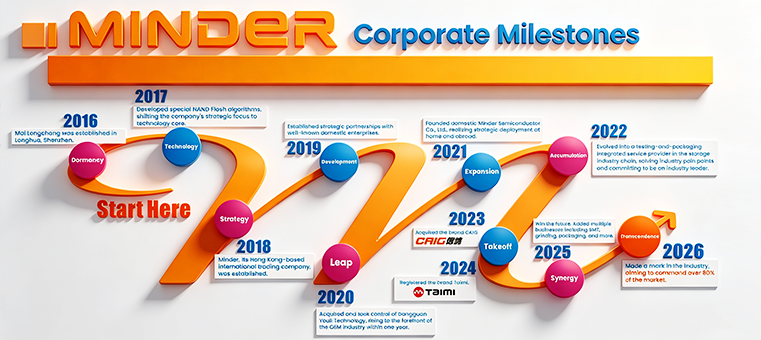
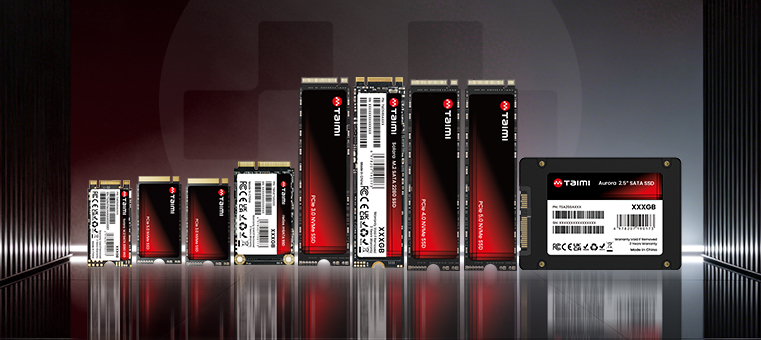
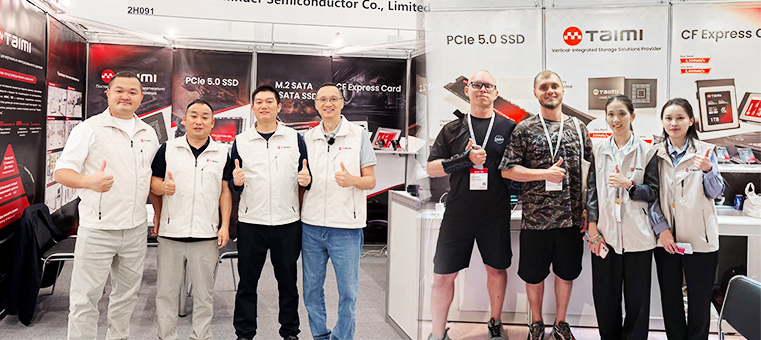
Taimi, the storage brand of Shenzhen Minder Semiconductor Co., Ltd., focuses on the development and production of consumer-grade SSD products. Its product range includes SATA and NVMe SSDs in different form factors and capacities.
For buyers looking to develop or expand a branded SSD product line, cooperation can begin with selecting suitable products from the available range and confirming the required specifications.
Depending on the selected product and project requirements, the cooperation process may include:
- Discussing the target market and intended application.
- Selecting suitable SSD product types and available configurations.
- Confirming product specifications before sample evaluation.
- Evaluating samples for performance and compatibility requirements.
- Confirming branding, labeling, and packaging details where supported.
- Arranging bulk production and agreed quality checks.
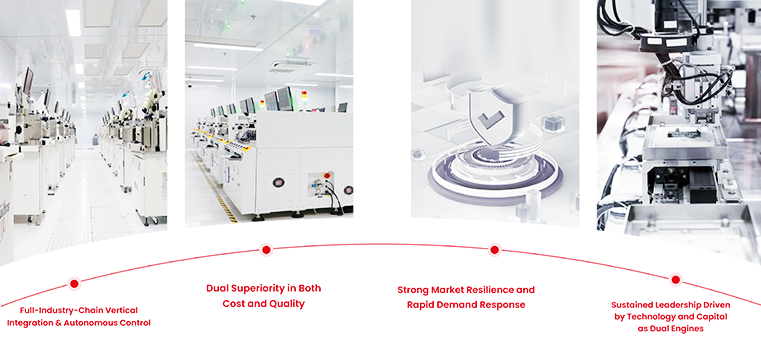
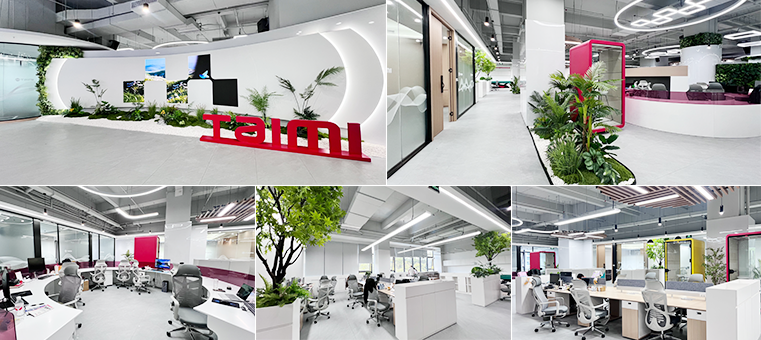
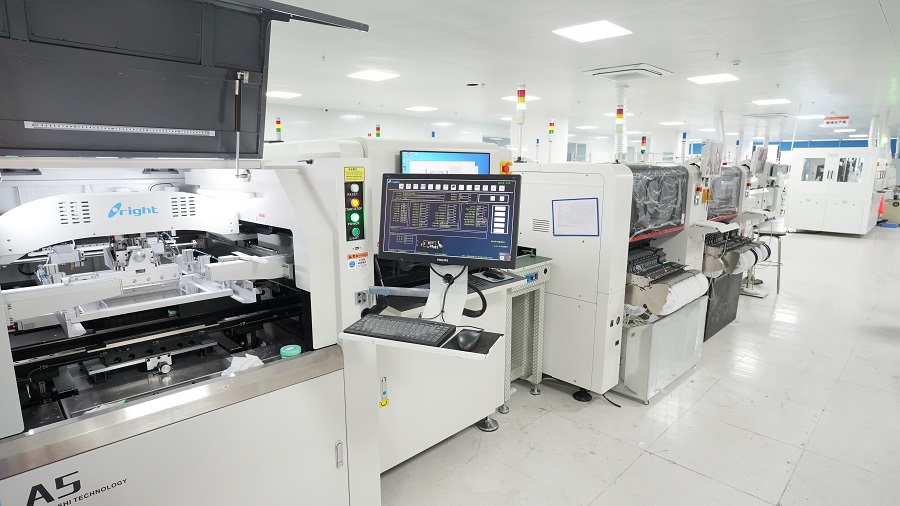
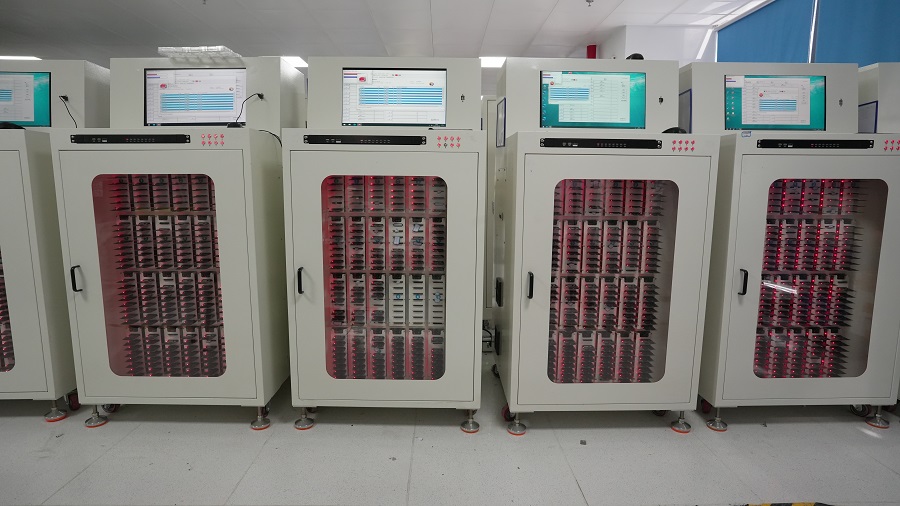
Taimi operates a manufacturing facility of more than 10,000 square meters with 8 automated SMT production lines. Production and inspection processes are used to support manufacturing quality and product consistency.
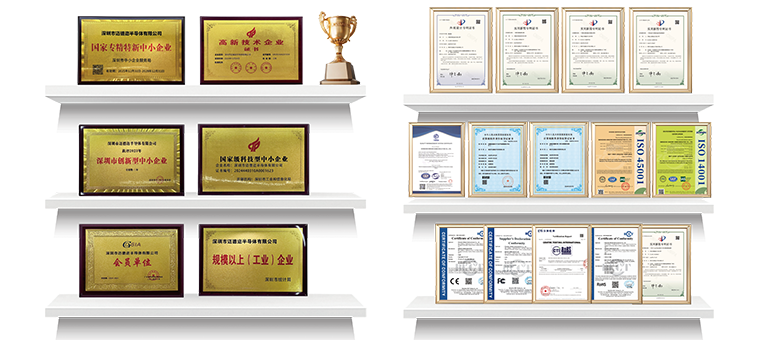
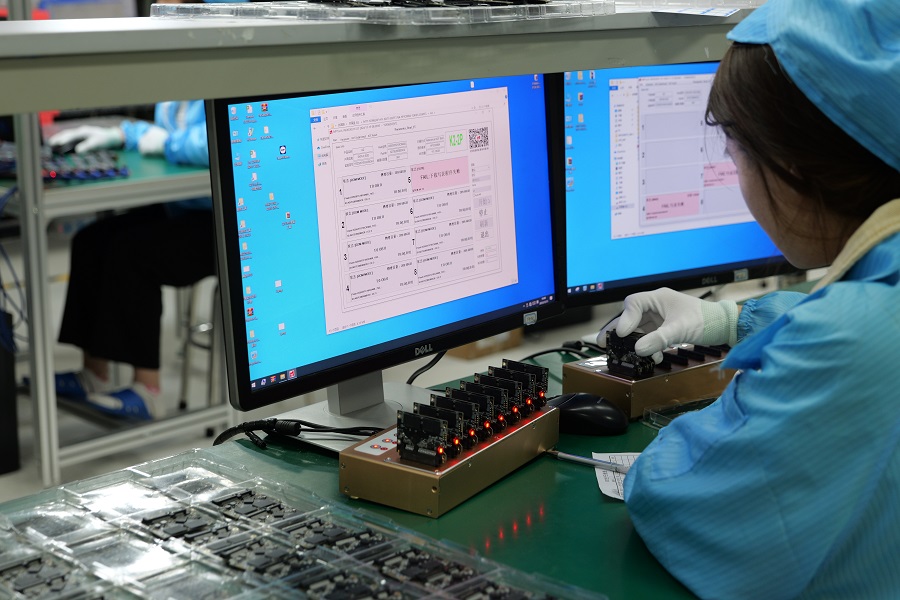
Quality requirements should be discussed at the product and project level. Buyers can confirm the applicable testing arrangements, specification records, product identification, and warranty terms before placing a bulk order.
For a closer look at manufacturing and inspection procedures, read SSD Manufacturing Quality Control: Inside Taimi SMT Production Process.
Taimi's cooperation approach is based on matching buyers with suitable existing product platforms and confirming project-specific requirements. The scope of customization, engineering support, MOQ, and delivery schedule should be evaluated individually rather than assumed to be identical across all projects.
9. Frequently Asked Questions
1. What is the main difference between SSD OEM and ODM?
In an OEM project, the buyer generally defines the product requirements and the manufacturer produces according to the agreed specifications. In an ODM project, the manufacturer provides an existing design or contributes more directly to product design and development.
2. Is SSD OEM cheaper than ODM?
Not necessarily. The total cost depends on product specifications, component choices, order quantity, customization, engineering work, and packaging. Buyers should compare quotations based on the same configuration and project scope.
3. Can I sell OEM SSDs under my own brand?
Yes. Private-label arrangements commonly allow buyers to use their own brand identity on supported SSD products and packaging. The available branding options and approval requirements should be confirmed with the manufacturer.
4. What MOQ is required for an SSD OEM project?
There is no universal MOQ for all SSD OEM projects. It varies with the product model, capacity, component availability, customization requirements, and production arrangements. Ask the supplier for the MOQ of your specific configuration.
5. What should I prepare before contacting an SSD OEM manufacturer?
Prepare your target product type, interface, capacity, expected performance, estimated order quantity, target market, branding requirements, and any compatibility needs. Even an initial specification list can help the manufacturer assess the project more accurately.
Looking for an SSD OEM Manufacturing Partner?
Tell us about your target SSD products, specifications, and estimated order quantity. The Taimi team can help you review available product options and discuss the next steps for sample evaluation and bulk purchasing.
Explore Taimi SSD Products