












China is one of the major manufacturing bases for solid-state drives (SSDs), offering a wide range of storage products for distributors, wholesalers, PC builders, system integrators, and OEM buyers. However, importing SSDs involves more than finding a suitable product and placing an order. Buyers also need to confirm specifications, test samples, agree on production requirements, arrange international shipping, and understand the import rules in their destination markets.
This guide explains how to import SSDs from China step by step, from defining your product requirements to receiving the shipment.
Quick Answer: How Do You Import SSDs from China?
To import SSDs from China, overseas buyers generally need to follow these seven steps:
- Define the SSD type, interface, capacity, and quantity.
- Contact suitable SSD manufacturers and request quotations.
- Request samples and test product performance and compatibility.
- Confirm specifications, pricing, payment terms, and the purchase order.
- Agree on the BOM and quality requirements before mass production.
- Arrange international shipping and prepare export documents.
- Check destination-country import regulations, duties, and compliance requirements.
The exact process and delivery time depend on the SSD specifications, order quantity, sample approval, shipping method, and destination country.
Step 1: Define Your SSD Requirements
Before contacting a manufacturer in China, clarify what type of SSD you need. Different applications require different interfaces, form factors, capacities, and performance levels. Clear specifications help manufacturers provide more accurate quotations and reduce unnecessary communication.
Choose the SSD Type and Interface
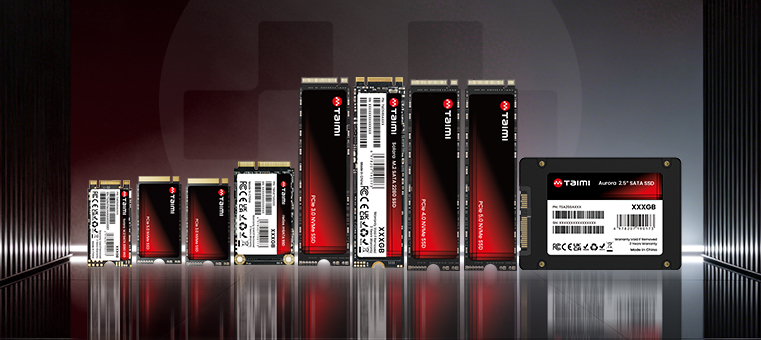
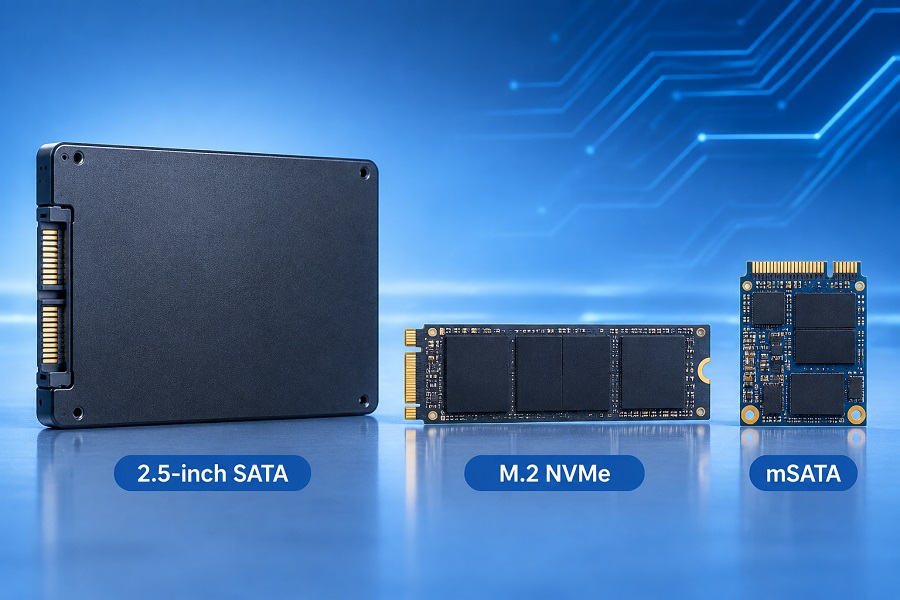
Common SSD types available for bulk purchasing include:
| SSD Type | Interface / Form Factor | Common Applications |
|---|---|---|
| 2.5-inch SATA SSD | SATA III | Desktop upgrades, laptops, and general storage |
| M.2 NVMe SSD | PCIe 3.0 / 4.0 / 5.0; sizes such as 2230, 2242, and 2280 | Modern laptops, desktops, and compact systems |
| M.2 SATA SSD | M.2 SATA | Systems designed for SATA-based M.2 storage |
| mSATA SSD | mSATA | Compatible compact and legacy systems |
| eMMC | BGA package | Embedded devices and compact electronics |
One important point: M.2 describes a physical form factor, not a storage protocol. An M.2 drive may use either SATA or NVMe, so confirm interface compatibility with the target device before ordering.
Confirm Capacity, Performance, and Quantity
Common SSD capacities include 128GB, 256GB, 512GB, 1TB, and 2TB. You should also specify the expected read and write speeds, NAND flash type, and any requirements for DRAM cache or firmware.
Before requesting a quotation, prepare the following information:
- SSD type and interface
- Form factor and physical dimensions
- Required capacities and performance targets
- Estimated order quantity
- Packaging and labeling requirements
- Destination country
- OEM or ODM customization requirements, if applicable
The more complete your requirements are, the easier it is for a manufacturer to assess production feasibility and provide a relevant quotation.
Step 2: Contact SSD Manufacturers in China
Once your product requirements are clear, contact SSD manufacturers in China and provide a detailed inquiry. This helps the manufacturer understand your purchasing needs and determine whether its products and production capabilities match your project.
When sending an inquiry, include your target SSD specifications, estimated quantity, packaging requirements, and destination market. If you need a customized product, explain whether you require a custom logo, firmware configuration, PCB design, or other modifications.
You can also ask the manufacturer for relevant product datasheets, sample availability, production lead times, warranty terms, and available quality-control information.
If you are still comparing potential suppliers, see our related guide: How to Choose an SSD Supplier in China: A Practical Buyer's Guide.
Step 3: Request and Test SSD Samples
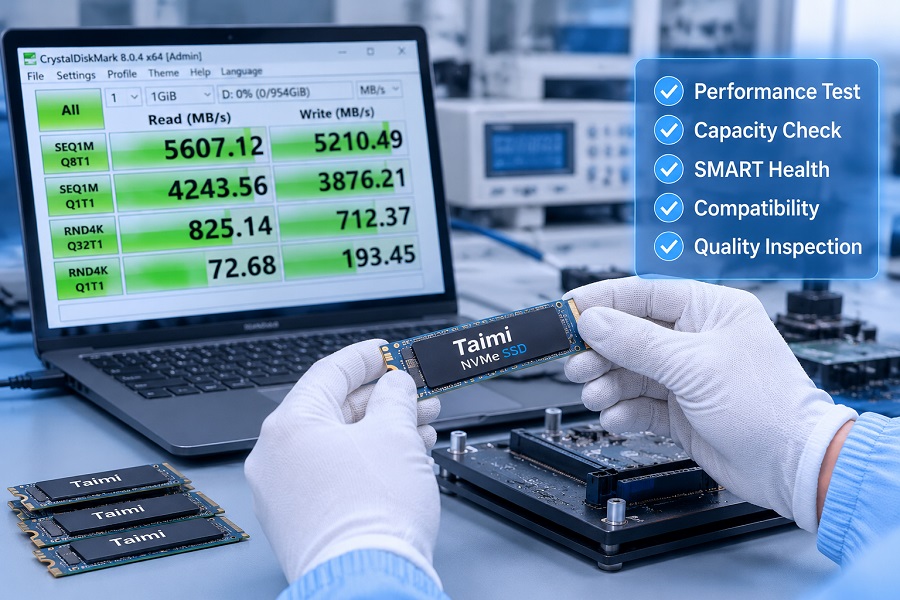
Before placing a bulk order, request samples and evaluate whether the SSDs meet your technical and application requirements. Sample testing helps identify performance, compatibility, and quality issues before mass production.
Check Capacity and Performance
Use reliable testing tools to verify the actual storage capacity and measure sequential read and write speeds. Random read and write performance may also be important for applications involving frequent small-file operations.
Compare the test results with the manufacturer's datasheet and the specifications agreed upon during the quotation stage. Make sure the test system, interface, and test conditions are appropriate for the SSD being evaluated.
Review SMART Attributes
SMART data can provide useful information about an SSD's operating condition and wear. Depending on the drive interface and available attributes, review:
- Power-on hours
- Drive temperature
- Health or wear indicators
- NVMe Percentage Used and Available Spare, where supported
- Vendor-specific wear-leveling or remaining-life attributes on SATA SSDs, where available
Not every SSD reports the same SMART attributes. Some SATA health indicators are vendor-specific, so interpret them using the manufacturer's documentation rather than assuming that every tool displays identical values.
Check Compatibility and Stability
Test the samples on the target platforms, such as desktop computers, laptops, or embedded systems. Check whether the drive is detected correctly, operates consistently, and performs as expected under normal workloads.
For bulk purchasing, it is also useful to check the product's appearance, label information, packaging, and firmware version. Once the sample meets your requirements, confirm the approved sample configuration in writing.
Step 4: Confirm the Order Before Payment
After sample approval, review the quotation and purchase order carefully. Do not rely only on a unit price. Make sure the order documents clearly describe the product and commercial terms.
Important items to confirm include:
- Product model, interface, capacity, and specifications
- Order quantity and unit price
- Packaging, labeling, and customization requirements
- Warranty terms
- Production lead time and estimated shipment date
- Payment terms and payment schedule
- Shipping method and agreed Incoterm
Ask the supplier to issue a Proforma Invoice (PI) with the agreed details. Check that the product description, quantity, price, beneficiary information, and payment terms are correct before arranging payment.
For a more detailed order checklist, read: What Should Be Included in an SSD Order Confirmation? .
If you are comparing quotations from multiple manufacturers, our guide How to Compare SSD Supplier Quotes for Bulk Orders: 7 Key Factors explains the main factors to review beyond the unit price.
Step 5: Confirm the BOM Before Mass Production
For bulk SSD orders, confirming the Bill of Materials (BOM) is an important step in maintaining product consistency. The BOM identifies the key components and configuration used in the approved product.
Depending on the SSD model, the BOM may include:
- Controller: The controller model and relevant configuration.
- NAND flash: The agreed NAND type, such as TLC or QLC, and the approved component specification.
- DRAM cache: Whether DRAM is included and its agreed configuration, where applicable.
- PCB and other components: The approved board design and relevant components.
- Firmware: The approved firmware version and configuration.
Buyers and manufacturers should agree on the BOM and any permitted component variations in writing before mass production. Any proposed replacement of key components or changes to the approved configuration should be communicated and approved by the buyer in writing before implementation.
This is particularly important when the SSDs are intended for resale under a specific brand or for use in systems with defined compatibility requirements.
Keep Sample Approval and Bulk Production Consistent
The approved sample should serve as the reference for the bulk order. Buyers should confirm the relevant specifications, performance requirements, and inspection criteria before production begins.
A typical order process may include:
- Final sample approval
- BOM and specification confirmation
- Bulk production
- Programming and functional testing
- Final inspection and order preparation
- Shipment arrangement
For more information about production processes and quality checks, see SSD Manufacturing Quality Control: Inside Taimi SMT Production Process (Article ID: 132).
Step 6: Arrange International Shipping from China
After production and final inspection, the next step is to arrange international shipping. The most suitable shipping method depends on the order quantity, delivery deadline, destination, and transportation budget.
Choose a Suitable Shipping Method
| Shipping Method | Best For | Main Consideration |
|---|---|---|
| Express Courier | Samples and small shipments | Convenient and generally faster, but often more expensive per unit |
| Air Freight | Urgent or medium-sized shipments | Balances transit time and shipment volume |
| Sea Freight | Large-volume bulk orders | Usually more economical for larger shipments, but takes longer |
Understand the Shipping Terms
When arranging international shipping, confirm the agreed Incoterm with the supplier. Common terms include:
- EXW (Ex Works): The seller makes the goods available at the agreed location. The buyer generally arranges collection and the main transportation.
- FOB (Free on Board): For sea or inland waterway transport, the seller delivers the goods on board the vessel at the named port of shipment.
- CIF (Cost, Insurance and Freight): For sea or inland waterway transport, the seller pays the cost and freight to the named destination port and arranges the required insurance. Risk transfers when the goods are on board at the shipment port.
- DAP (Delivered at Place): The seller arranges delivery to the named destination, while the buyer generally handles import clearance and applicable import duties and taxes.
- DDP (Delivered Duty Paid): The seller takes responsibility for delivery and import clearance, including applicable duties and taxes, subject to the agreed arrangement and its ability to act as importer or arrange the required import formalities.
FOB and CIF are intended for sea and inland waterway transport. Always identify the named place or port and the applicable Incoterms version in the sales contract.
Prepare the Shipping Documents
Depending on the shipping method and destination market, the documents may include:
- Commercial Invoice
- Packing List
- Air Waybill (AWB) or Bill of Lading (B/L)
- Certificate of Origin, if required
- Product specifications or other supporting documents requested by customs
Standard standalone SSDs generally do not contain lithium batteries. However, if an order includes battery-powered accessories or other products containing batteries, confirm the applicable dangerous-goods documentation and carrier requirements before shipment.
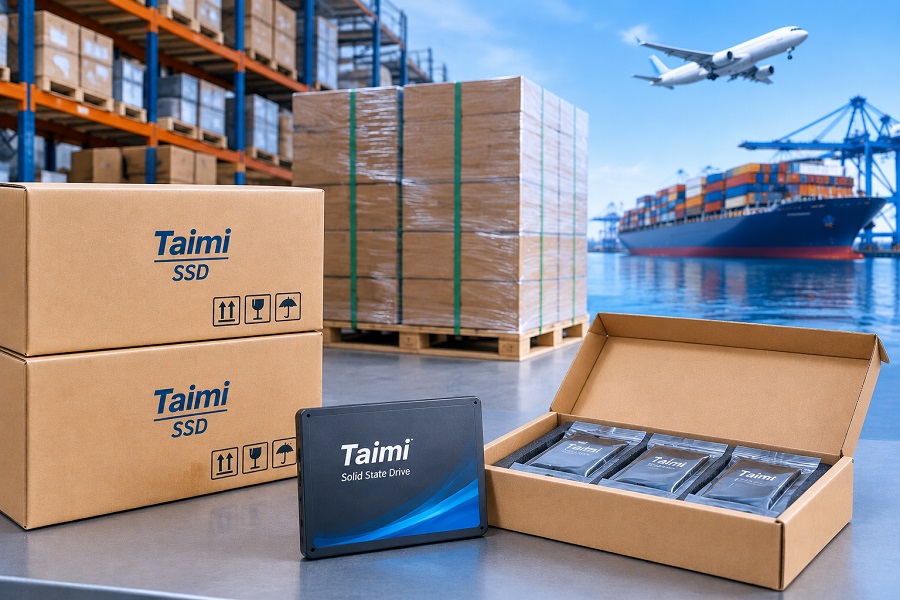
Step 7: Check Import Regulations and Customs Requirements
Before shipping SSDs from China, check the import requirements of your destination country. Customs procedures and product compliance rules vary by market, product category, and technical configuration.
Confirm the HS Code and Import Duties
Ask your customs broker or local customs authority to confirm the appropriate Harmonized System (HS) code for the specific SSD product. The classification may depend on the product's design and function.
Once the classification is confirmed, check the applicable import duty, value-added tax (VAT), goods and services tax (GST), or other charges. Do not assume that the same SSD will have identical tax treatment in every country.
Check Applicable Product Compliance Requirements
Depending on the destination market and product category, buyers may need to check requirements or documentation related to:
- CE: Relevant EU conformity requirements, where applicable.
- FCC: Applicable US requirements for equipment within the scope of FCC rules.
- RoHS: Restrictions on certain hazardous substances in products within its scope.
- REACH: Relevant chemical-substance obligations and supply-chain information requirements.
- UKCA: Applicable Great Britain product conformity requirements.
- KC: Relevant Korean product compliance requirements.
- BIS: Indian certification or registration requirements for product categories covered by applicable Indian regulations.
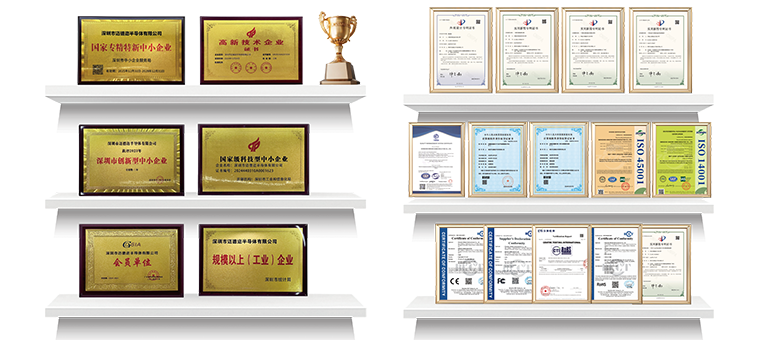
These are examples of compliance frameworks, not a checklist that every SSD must satisfy. CE and UKCA marking requirements depend on the applicable product legislation. RoHS and REACH are regulatory frameworks rather than equivalent product marks. FCC requirements also depend on whether the specific equipment falls within the relevant rules.
For India, check the current BIS compulsory registration or certification product lists. Do not assume that every internal NVMe or 2.5-inch SATA SSD automatically requires BIS registration.
Before shipment, confirm the exact requirements with your customs broker or the relevant regulatory authority. If a document or test report is needed, request the corresponding information for the specific model from the manufacturer before placing the order.
How Long Does It Take to Import SSDs from China?
The total import timeline depends on sample preparation, approval, production, shipping, and customs clearance. These stages should be considered separately when planning inventory and delivery schedules.
For Taimi orders, production and related shipment preparation generally take around 8–12 working days after final sample approval, subject to the confirmed specifications, order quantity, material availability, and production schedule.
This estimate does not include the time required for sample preparation and approval, international transportation, or destination-country customs clearance. Buyers should confirm the actual schedule with the manufacturer before placing an order.
For a closer look at the production schedule, read SSD Manufacturing Lead Time: From Sample Approval to Bulk Delivery (Article ID: 178).
Import SSDs from China with Taimi
Choosing a manufacturer with relevant production capabilities and quality-control processes can make bulk SSD procurement easier to manage.
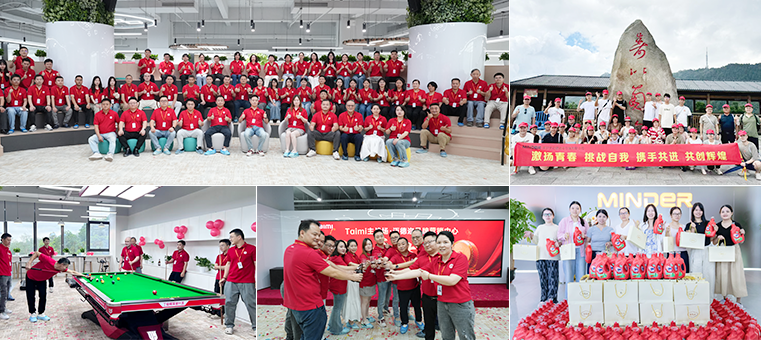
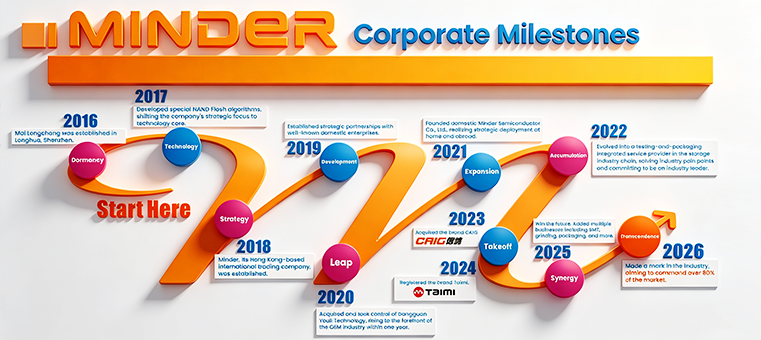
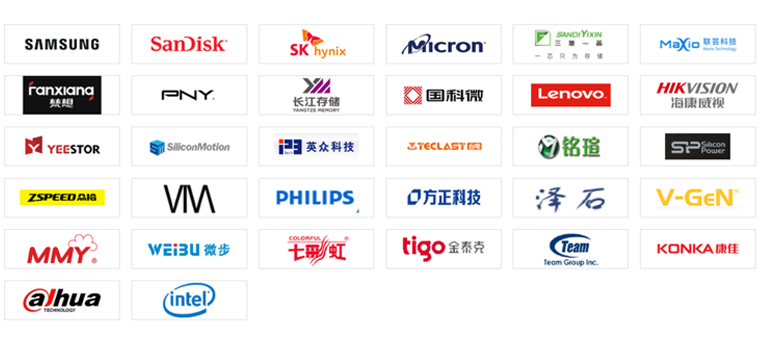
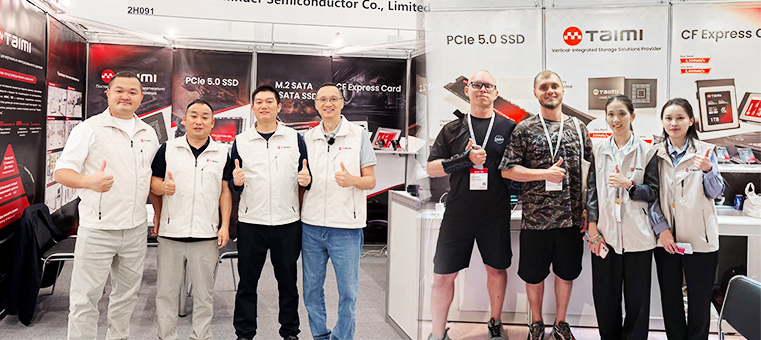
Taimi (苔米), operated by Shenzhen Minder Semiconductor Co., Ltd., develops and manufactures SSD and storage products for distributors, wholesalers, PC builders, system integrators, and OEM customers.
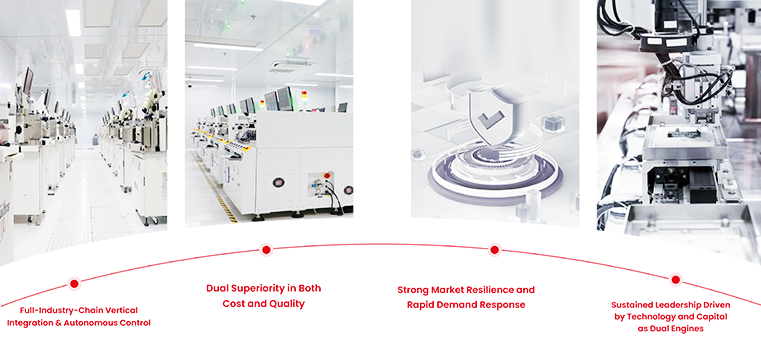
Based in Shenzhen, China, Taimi's manufacturing operation includes:
- More than 10,000 m² of manufacturing space
- 8 automated SMT production lines
- Monthly SSD production capacity of up to 800,000 units
- Programming, functional testing, and final inspection processes
- OEM and ODM cooperation options for suitable projects
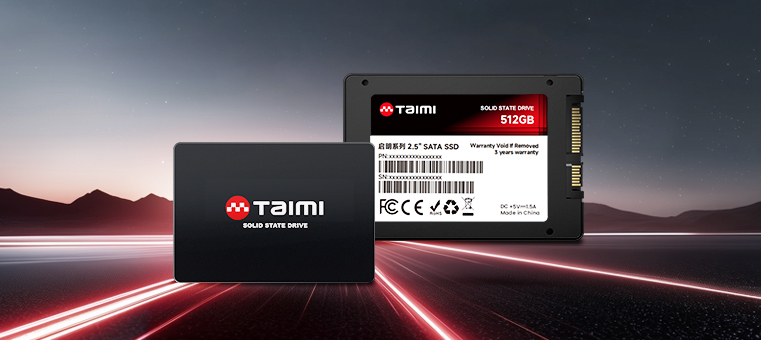
Taimi's product portfolio includes 2.5-inch SATA SSDs, M.2 NVMe SSDs, M.2 SATA SSDs, mSATA SSDs, eMMC, and other storage products. Buyers can discuss product specifications, capacity options, packaging, and project requirements with the team before ordering.
For overseas buyers planning regular or volume purchases, confirming product specifications and quality requirements at the beginning of the project can help make subsequent orders more consistent.
Request an SSD Quotation from Taimi
Planning to import SSDs from China? Send Taimi your purchasing requirements to discuss product options, sample testing, and bulk-order arrangements.
You can use the following RFQ format to prepare your inquiry:
SSD Type & Interface: e.g., M.2 PCIe 4.0 NVMe
Form Factor: e.g., 2280 or 2230
Capacity: e.g., 512GB / 1TB
Quantity & Packaging: e.g., 1,000 pcs, bulk packaging or retail boxes
Customization Requirements: e.g., custom logo, firmware configuration, or agreed BOM
Destination Country: e.g., Germany
Share your requirements with our team to discuss a suitable SSD solution for your business.
Frequently Asked Questions About Importing SSDs from China
1. Is it possible to buy SSDs directly from manufacturers in China?
Yes. Overseas distributors, wholesalers, PC builders, and OEM buyers can contact Chinese SSD manufacturers directly to discuss product specifications, samples, pricing, and bulk-order arrangements. Direct communication also makes it easier to confirm technical requirements and packaging details.
2. What information should I provide when requesting an SSD quotation?
Provide the SSD type, interface, form factor, capacity, expected quantity, performance requirements, packaging preferences, customization needs, and destination country. These details help the manufacturer prepare a more accurate quotation.
3. Should I test SSD samples before placing a bulk order?
Yes. Sample testing allows buyers to check capacity, read and write performance, SMART information, compatibility, stability, and appearance before committing to a larger order. The approved sample should be used as a reference when confirming the bulk-order specifications.
4. What documents are needed to import SSDs from China?
Common shipping documents include a Commercial Invoice, Packing List, and Air Waybill or Bill of Lading. Depending on the destination country and product classification, customs authorities may also request a Certificate of Origin, product specifications, or applicable compliance documents.
5. How long does it take to receive an SSD order from China?
The total delivery time depends on sample approval, production, shipping, and customs clearance. For Taimi orders, production generally takes around 8–12 working days after final sample approval, depending on the confirmed specifications, order quantity, material availability, and production schedule. International shipping and customs clearance require additional time.
6. Do SSDs imported from China require special certifications?
Requirements depend on the destination country, product category, and applicable regulations. Some markets may require specific conformity documents, test reports, or registrations. Buyers should verify the requirements for their exact SSD model with local authorities or a qualified customs broker before shipment.
Final Thoughts
Importing SSDs from China involves several stages, from defining product specifications and testing samples to confirming the BOM, arranging shipping, and completing customs clearance. Preparing these details before placing a bulk order can help reduce misunderstandings and make the procurement process more predictable.
For overseas buyers, working with a manufacturer that can clearly communicate product specifications, production arrangements, and quality requirements is an important part of building a reliable supply relationship.
If you are planning an SSD bulk order or looking for a manufacturing partner in China, contact Taimi to discuss your project requirements.